

Designing a kitchen remodel for a professional chef comes with high expectations. In this Beaumont-Wilshire home in Portland, the goal was to rethink how the kitchen and dining room worked together so the space could function the way a real working kitchen should.
The problem
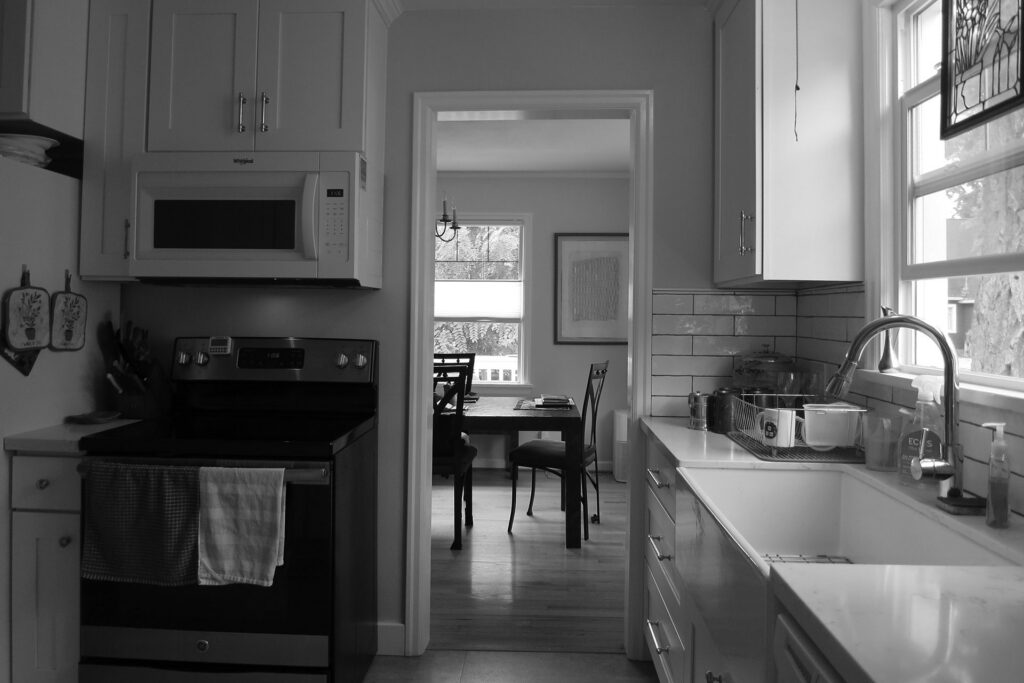
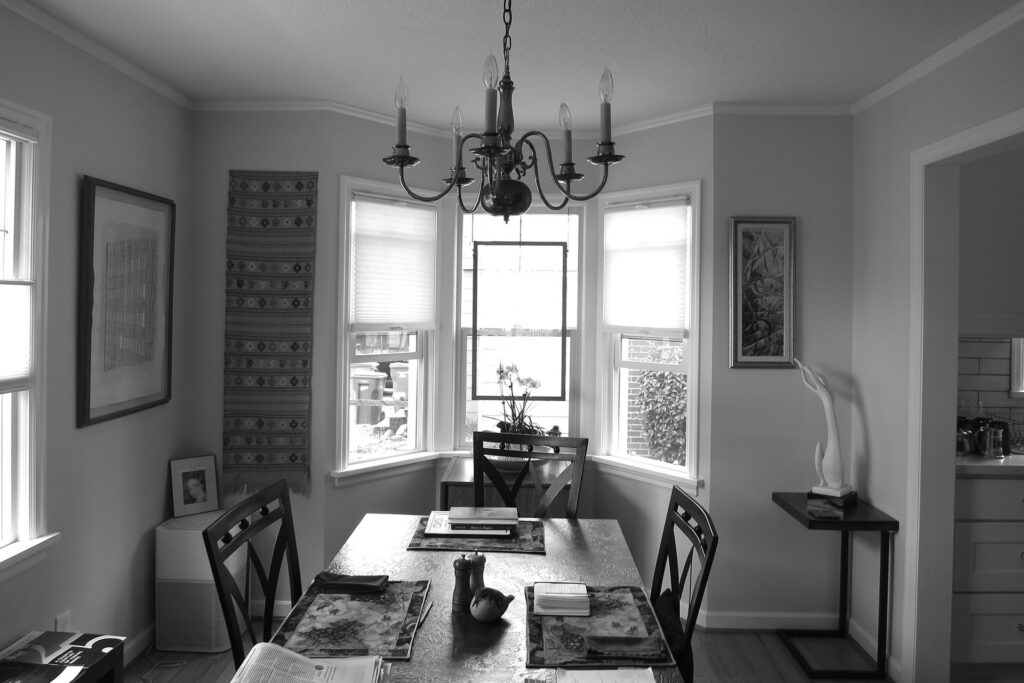
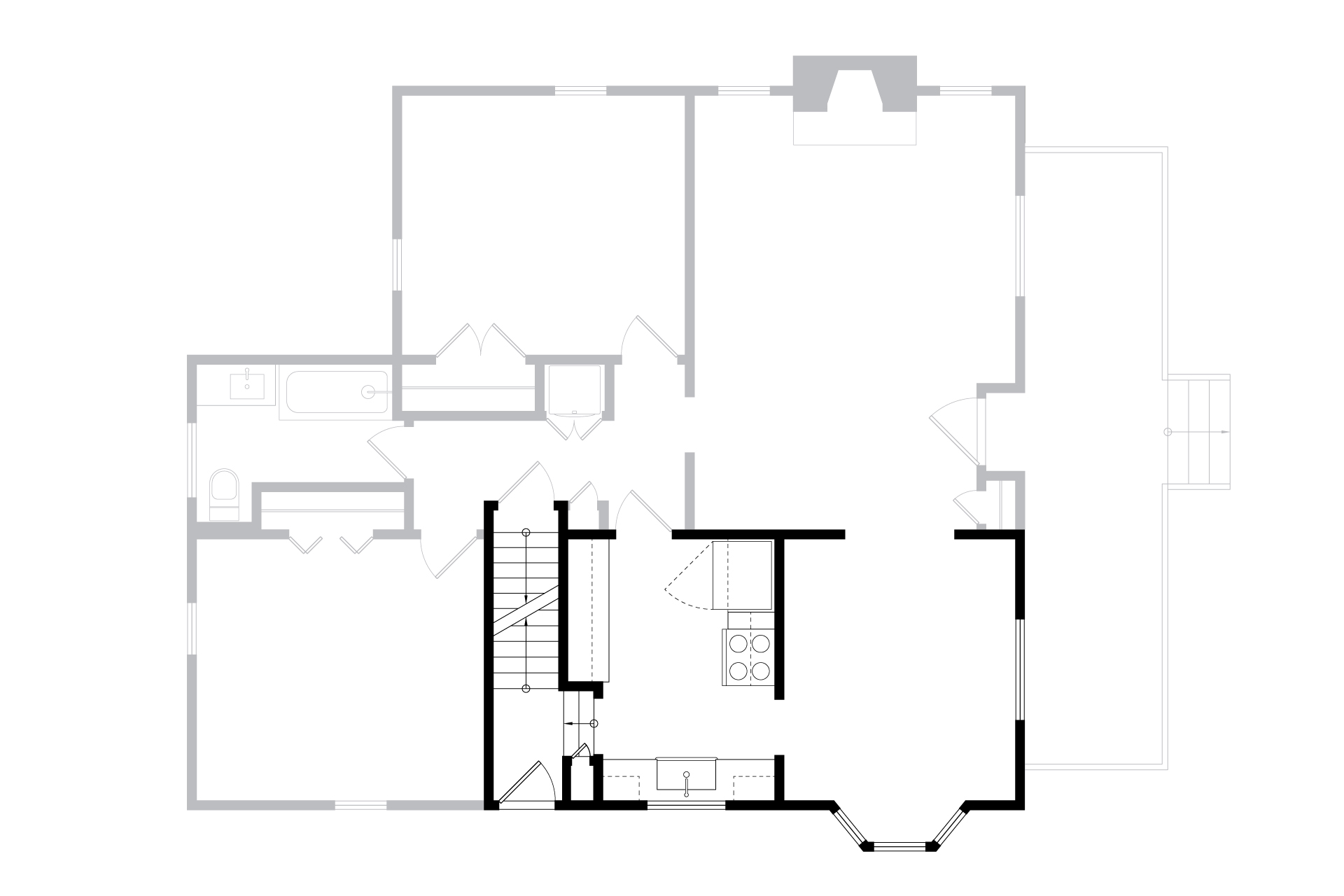
The existing kitchen was surprisingly difficult to use. Doors, windows, and circulation paths interrupted nearly every wall, leaving very little continuous space for cabinets or work surfaces. Meanwhile, the dining room sat right next to the kitchen but remained a separate space, and the small bay window there didn’t function particularly well for a table or built-ins.
The solution
The solution wasn’t just to make the kitchen bigger—it was to rethink the entire cooking and dining areas. Removing the wall between the kitchen and dining room created the opportunity to reorganize the layout into one unified space rather than two loosely connected rooms.
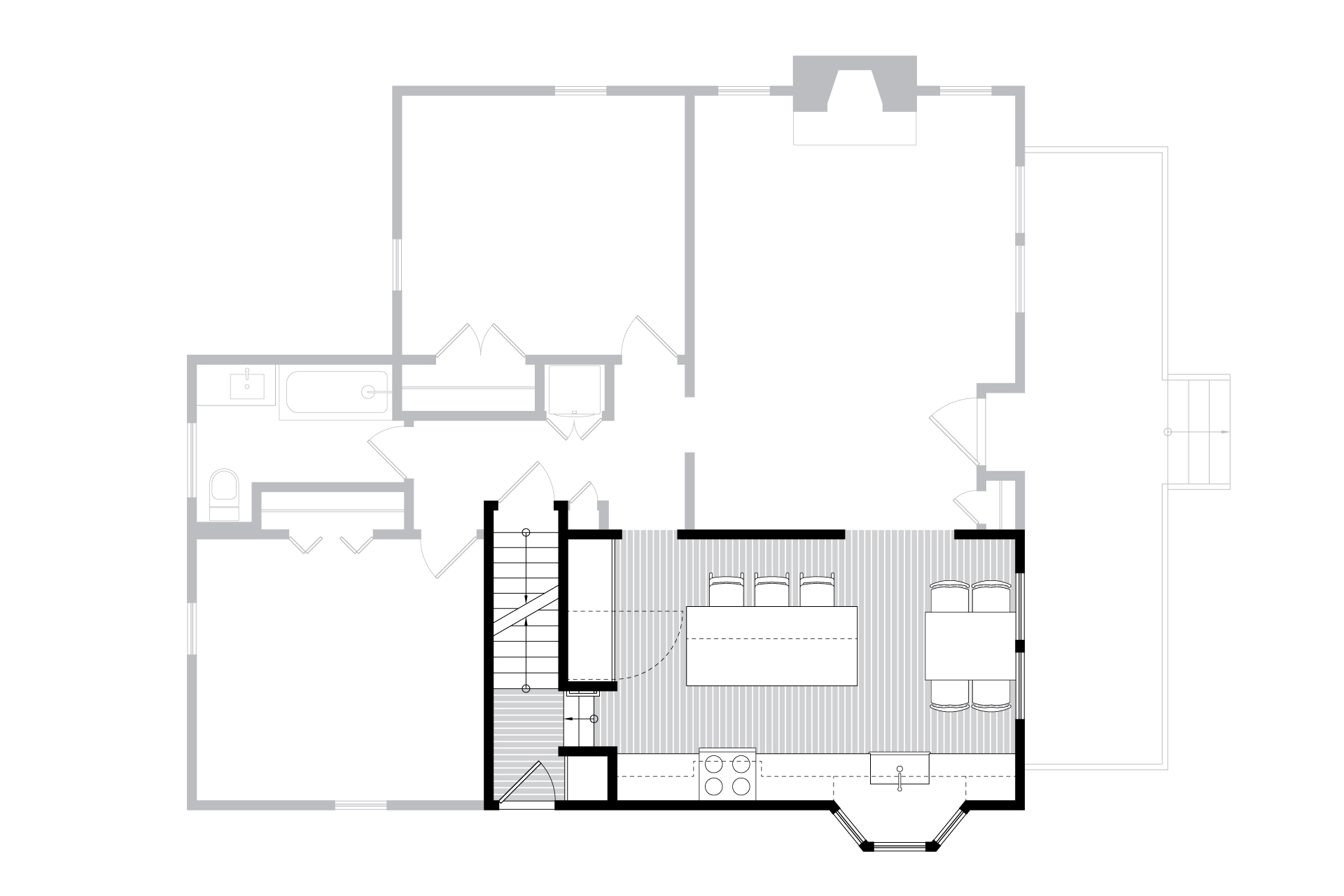
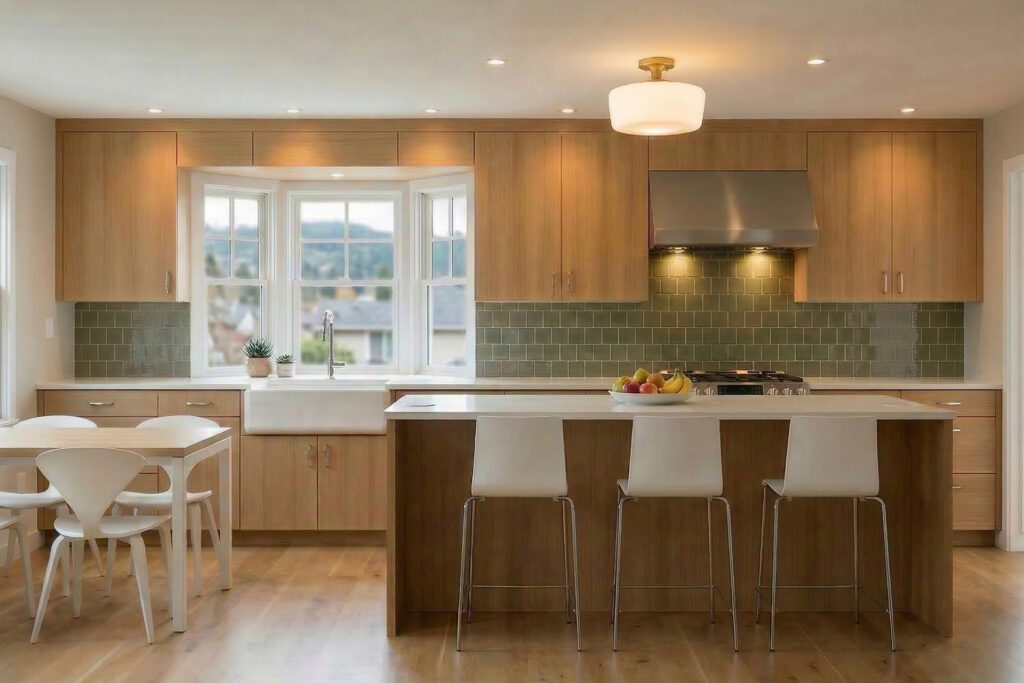
A continuous wall of cabinetry now anchors the kitchen, paired with a generous island that finally provides real working space for a professional chef. The kitchen sink was moved to the existing bay window, with the sill raised to countertop height, turning what had been an awkward architectural feature into a natural place for the sink. With the sink relocated, the original kitchen window was closed up, allowing the cabinetry and layout to finally make sense.
Finally, some real counter space
With the layout reorganized, the kitchen could finally gain something it never had before: a long, uninterrupted run of countertop. A slide-in range with a simple under-cabinet hood fits neatly within the run, keeping the wall clean and functional. The relocated sink in the bay window now has generous space behind it—something that’s rarely possible along a standard counter-depth wall.
The island does the heavy lifting
The island is where this kitchen really comes to life. One side is dedicated to seating and circulation, while the other side becomes the primary prep space for cooking. It creates a natural separation between guests and the work of the kitchen, while giving a professional chef the kind of generous workspace that simply wasn’t possible in the original layout of this kitchen remodel.

Floor-to-ceiling storage
Full-height cabinetry on the opposite wall houses the built-in refrigerator along with generous pantry storage. Keeping these taller elements together creates a clean backdrop while adding the kind of storage a hardworking kitchen needs.
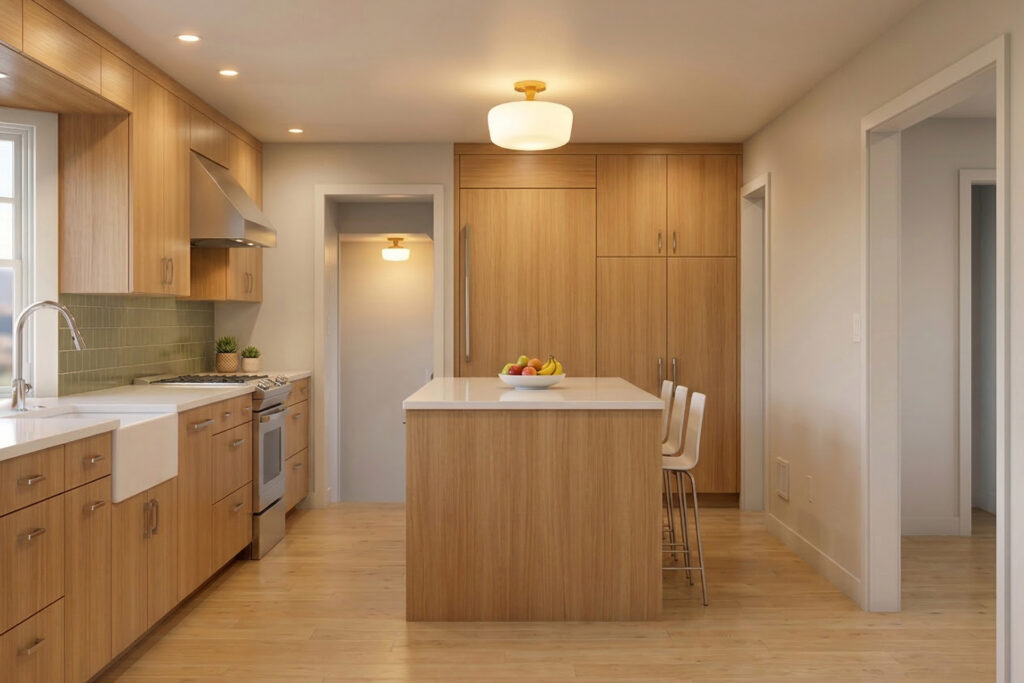
Rift white oak cabinetry brings warmth to the space, paired with durable quartz countertops and ceramic tile from Fireclay. Chrome hardware keeps the palette simple and clean. And one element from the original kitchen was worth saving: the large farmhouse sink, which was carefully preserved and reused in the new design.
Making use of every inch
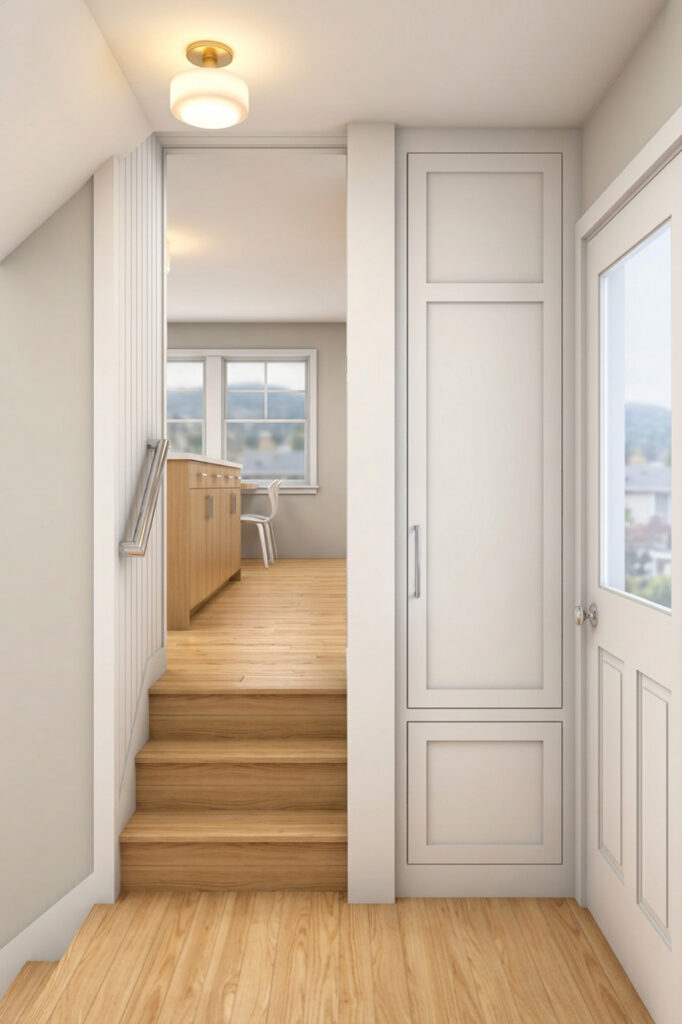
We didn’t stop the remodel at the kitchen. A small niche near the back door provided just enough room to tuck in a tall storage cabinet. Designed with flush inset doors to match the character of the original house, it quietly blends into the architecture while providing a home for cleaning supplies and other everyday essentials that small houses always seem to lack.
Thinking about your own kitchen remodel?
Sometimes the best renovations aren’t about adding space, but about making the space you have work better. If you’re thinking about a kitchen remodel—or reimagining any part of your home—we’d love to help. Feel free to reach out to start the conversation.